In the realm of digital marketing, video has emerged as a dominant force. It captivates audiences and communicates messages in ways that static content simply cannot. Yet, producing high-quality video ads can be a daunting task, often requiring significant time and resources. Enter artificial intelligence, which is transforming the landscape of video creation by https://coda.io/@rohan-mac/heygen-avatar-iv-review/heygen-pricing-2025-2026-uk-vs-us-cost-breakdown-9 offering tools that simplify and expedite the process. Through AI-powered video ads creation, businesses can streamline their marketing efforts while enhancing creativity and engagement.
Transforming Text into Engaging Videos
One of the most exciting advancements in this field is the ability to convert written content into compelling videos seamlessly. Various AI text to video generators have emerged, allowing marketers to transform scripts or articles into visually appealing videos with minimal effort. For instance, platforms like Lumen5 or InVideo leverage AI to analyze text and automatically generate video sequences that align with the message's tone and intent.
These tools typically allow users to input a script, which the AI then processes to suggest relevant images, videos, and even soundtracks that enhance the overall narrative. This capability is particularly beneficial for small businesses or content creators who may lack extensive experience in video production yet wish to maintain a professional appearance.
The Workflow Behind AI Video Generation
Understanding how to turn text into video using AI involves several straightforward steps. First, one must select an appropriate platform that aligns with their needs—some tools focus on social media optimization while others cater to more traditional advertising formats. Once you've chosen your software, you can begin drafting your script or article.

The next step typically involves uploading your written content into the chosen platform. From there, the AI analyzes it to create a storyboard or outline for your video. Users can customize this initial output by selecting visuals from stock footage libraries or uploading their own images.
Moreover, many of these platforms come equipped with voiceover capabilities—either through text-to-speech features or options for recording personalized audio tracks. This means you can produce videos that not only look good but also sound engaging without needing advanced editing skills.
Enhancing Marketing Efficiency
AI-generated videos are not just about saving time; they also significantly enhance marketing efficiency. With automated video generation tools at their disposal, marketers can quickly produce multiple variations of an ad tailored for different platforms or demographics. This agility allows businesses to test various messaging strategies without committing extensive resources upfront.
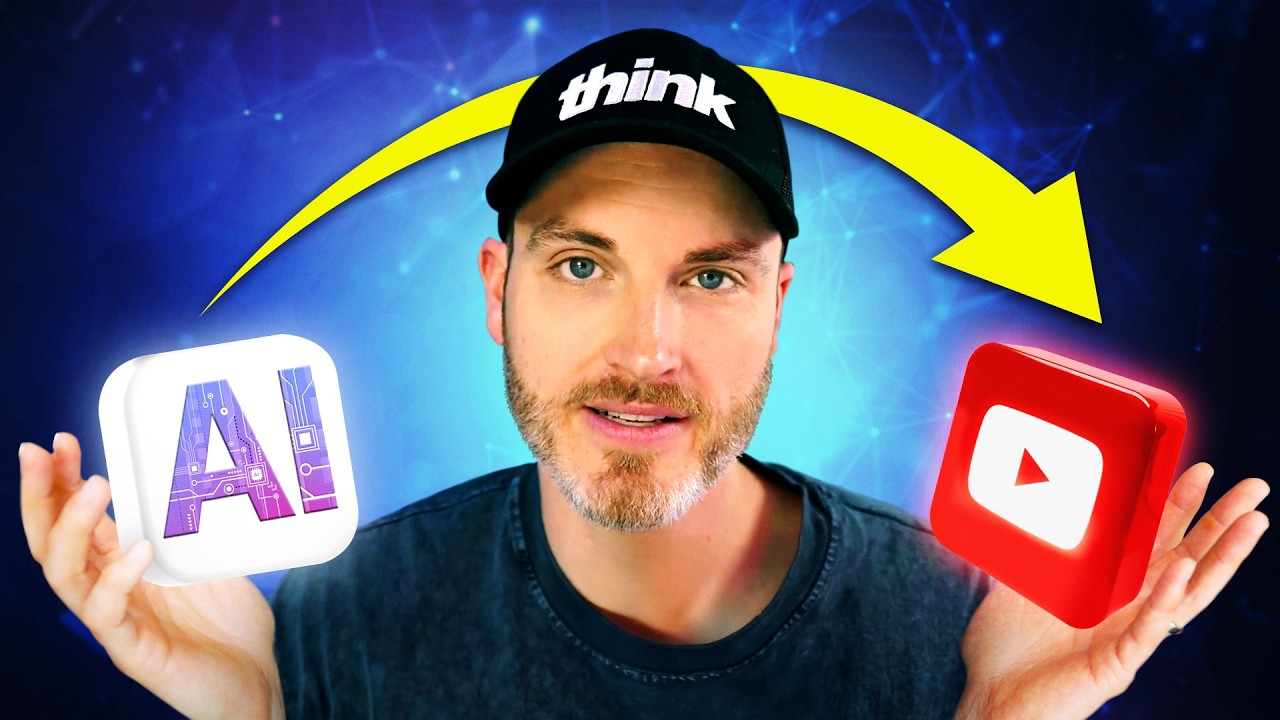
For example, a company launching a new product could use an AI video generator for creating targeted ads on Instagram Reels and YouTube Shorts simultaneously. By analyzing viewer engagement data across these platforms in real-time, marketers can adapt their strategies quickly based on audience response.
This level of automation extends beyond mere creation; it encompasses distribution as well. Many advanced systems integrate directly with social media platforms for streamlined posting workflows—a feature especially useful for busy marketers managing multiple campaigns.
The Quality vs Quantity Debate
While the advantages of using AI in video production are clear, it is essential to consider quality versus quantity when deploying these tools in marketing strategies. Automated solutions make it tempting to produce vast amounts of content rapidly; however, maintaining high standards is crucial for building brand credibility.
To strike a balance between quantity and quality, brands should focus on key performance indicators (KPIs) such as engagement rates and conversion metrics rather than solely chasing volume. Developing a consistent brand narrative across all videos will help ensure that even automated outputs reflect brand values and resonate with viewers effectively.
Exploring Different Use Cases
AI-powered video generation opens up numerous avenues for diverse applications across industries:
E-commerce Promotions: Online retailers can use customized product demo videos generated from textual descriptions to showcase products compellingly.
Corporate Training: Companies can automate training modules by converting written guides into instructional videos—enhancing employee onboarding experiences.
Social Media Campaigns: Content creators leverage short-form videos produced from blog posts or news articles as engaging snippets tailored for platforms like TikTok and Facebook.
Event Highlights: Businesses can transform event recaps into engaging highlight reels that capture audience attention effectively.
Explainer Videos: Startups often utilize explainer videos generated from business plans or pitches to attract investors by succinctly conveying their value propositions.

Each application demonstrates how versatile AI technology can be when integrated thoughtfully within marketing strategies.
Looking Ahead: The Future of Video Marketing
As we advance further into this digital age where consumers increasingly favor visual content over text-based information, leveraging AI in video creation will become indispensable for brands seeking competitive advantage. Future developments may include enhanced personalization features—where users could generate hyper-targeted ads based on individual consumer behavior patterns and preferences.
Moreover, advancements in natural language processing could allow these tools not only to translate written text but also understand nuances in tone or sentiment—enabling even deeper connections with audiences through storytelling techniques that resonate more profoundly than ever before.
Adopting an AI-driven approach towards automated video ads creation does not merely represent an upgrade in technology; it signifies an evolution in how businesses communicate with their customers—one marked by efficiency combined with creativity that meets modern demands head-on.
In essence, embracing this shift offers brands not just another tool but rather an opportunity to redefine their marketing narratives through captivating visual storytelling powered by intelligent automation technologies shaping our future today.